Monogram Frame 2: A Delicate Border That Sells
First Impression: Soft, Elegant, and Instantly Recognizable
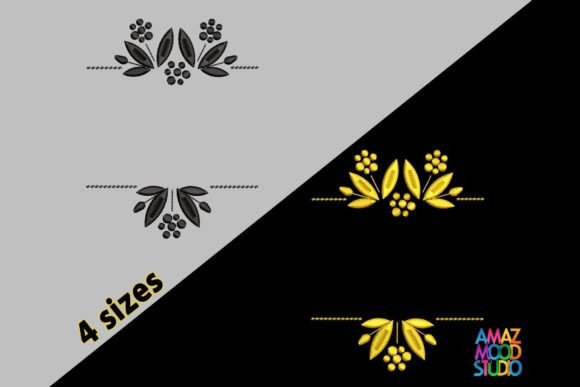
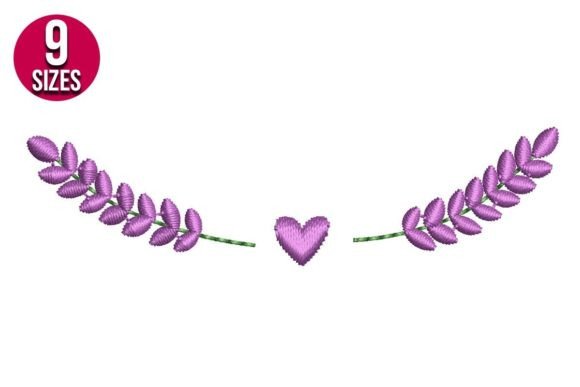
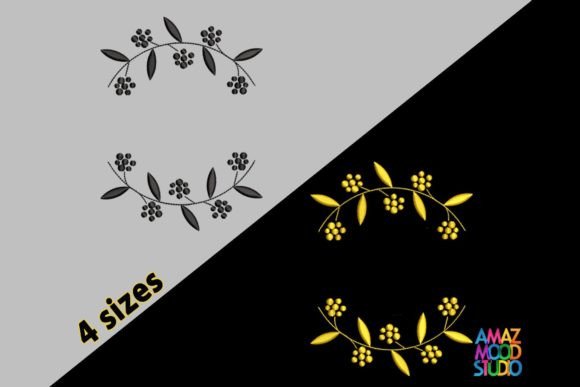
As an embroidery designer who’s prepped over 200 craft fair booths—and watched real customers pause, reach, and ask “Where did you get that?”—I’ll tell you straight: Monogram Frame 2 lands with quiet confidence. It’s not bold or loud; it’s dainty and gorgeous, as the description promises. That means it reads as elegant, slightly vintage, and deeply handmade—not mass-produced. Think farmhouse charm meets modern minimalism. It feels premium at first glance, especially when stitched in soft pastel thread on natural linen or oatmeal cotton. Customers don’t see “just a border.” They see heirloom potential.
Where Monogram Frame 2 Shines on Craft Fair Products
This isn’t a design that shouts from across the aisle—it invites closer inspection. And that’s exactly why it works so well on high-touch, giftable items:
- Tote bag design: Stitched along the bottom hem or wrapped subtly around the top edge, Monogram Frame 2 adds polish without overwhelming. It transforms a basic canvas tote into a boutique-ready handmade product.
- Apron embroidery: Perfect centered above the pocket or delicately tracing the bib curve. It elevates function with femininity—ideal for bakeries, florists, and kitchen-themed small shop products.
- Tea towel embroidery: On flour-sack or waffle-weave towels, this border frames monogrammed initials beautifully. The daintiness balances the texture of the fabric instead of fighting it.
- Embroidered patch: When stitched onto twill or denim, Monogram Frame 2 becomes a refined accent—great for branding aprons, jackets, or market bags. Its clean lines hold up even at 3–4 inches wide.
- Pillow covers & fabric pouches: Here, it shines as a subtle frame around a central motif—or stands alone as a clean, repeating border. Its scalability makes it versatile across sizes.
It’s less effective on curved cap surfaces or dense knit caps—those demand bolder outlines and simplified stitch paths. And while it *can* go on dark fabric, I recommend testing contrast carefully: light thread on charcoal or navy needs extra density to read clearly.
What Makes Monogram Frame 2 a Smart Craft Fair Investment
Three things seal the deal for makers:
- Instant visual clarity: At booth distance (3–6 feet), the shape reads as a cohesive frame—not a cluster of tiny elements. That’s rare for delicate borders. Customers understand its purpose immediately: “Oh—it’s for my name!”
- Strong repeat potential: Whether you’re stitching 5 tea towels or 50 tote bags, Monogram Frame 2 holds consistency. Its balanced stitch density avoids puckering on medium-weight fabrics, and its spacing allows for easy repositioning across varied product shapes.
- Photogenic + listing-ready: This machine embroidery design photographs beautifully for Etsy listings and printable mockups. Clean lines, open negative space, and graceful curves translate well to flat-lay shots—even on mobile screens. That directly lifts conversion for digital embroidery file sales and finished product pages.
Careful-Use Notes Every Embroidery Designer Should Check
“Dainty” is lovely—but it comes with production nuance. Before cutting into your best fabric, verify:
- Whether the inner monogram area is sized for legibility—tiny lettering (under 0.3” tall) may blur on textured towels or thick stabilizer.
- If dense stitch areas (like floral corners or tight scrolls) cause buildup on low-loft fabrics like chambray or lightweight cotton poplin.
- How it behaves on curved seams or bias-cut edges—test hoop placement on scrap fabric cut to match your final product’s contour.
- Whether the included embroidery file formats align with your machine (check compatibility before batch production).
Remember: Borders live where eye-level meets hand-level. If it doesn’t read cleanly on a hanging pillow cover or a folded tea towel at arm’s length, scale up—or add a single contrasting outline stitch during digitizing.
Design Impact Beyond the Stitch
Monogram Frame 2 quietly lifts your entire booth presence. It signals attention to detail, intentionality in design, and respect for the handmade aesthetic. Customers associate that feeling with higher perceived value—so you can price thoughtfully, not just competitively. It also strengthens brand consistency: use it across your tote bags, patches, and pillow covers, and shoppers begin to recognize your signature style. For Etsy sellers and digital designers, it’s a versatile asset—equally effective as a standalone embroidery file or as part of a curated collection of Borders and Embroidery design assets.
My Final Designer Checklist Before Booth Day
Before I commit Monogram Frame 2 to any craft fair product, I always:
- Test-stitch it on scrap fabric matching my final product’s weight and weave.
- Compare thread colors side-by-side on light, medium, and dark fabric swatches.
- Review spacing between frame elements—especially where it wraps corners or meets seams.
- Confirm hoop size requirements and whether my machine handles the full design in one hooping.
- Inspect stitch density visually—not just in software—to avoid stiff or bulky results.
- Use tear-away + light cut-away stabilizer combo for most cotton/linen blends.
- Create at least one real mockup: stitched, pressed, and styled as it would appear in-market.
- Double-check commercial licensing terms—especially if selling finished products or bundling Monogram Frame 2 with other design assets.
Because ultimately, Monogram Frame 2 isn’t just another embroidery file. It’s a quiet differentiator—the kind of thoughtful detail that turns a browser into a buyer, a craft fair stop into a repeat customer, and a handmade product into a keepsake.