Monogram Frame 3: A Delicate Border for Boutique Apparel
First Impressions: Dainty, Refined, and Ready for Premium Wear
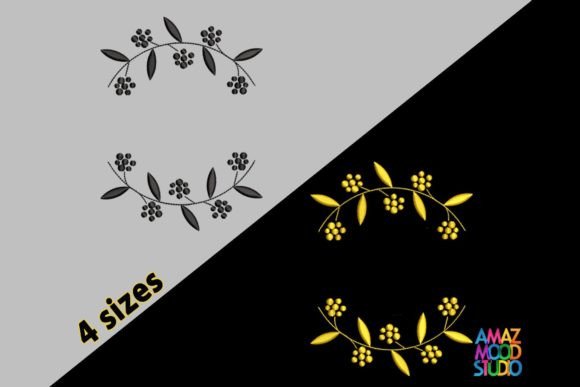
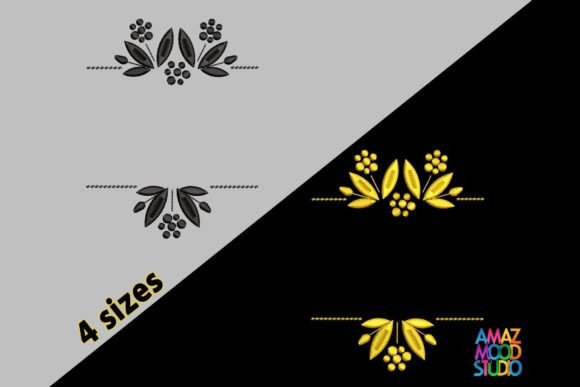
As an embroidery designer who’s stitched hundreds of small-batch apparel collections, I opened Monogram Frame 3 expecting charm—and got quiet confidence. It’s not loud or trend-chasing; it’s dainty and gorgeous in the way a well-cut collar or hand-finished hem is: subtle but unmistakably intentional. The line work feels precise, with balanced negative space and graceful curves that suggest careful digitizing—not rushed automation. It reads as feminine without being saccharine, classic without feeling dated, and delicate without sacrificing stitch integrity. That balance makes it ideal for boutique brands building recognition through consistency, not clutter.
Sweatshirt Embroidery & Hoodie Design: Where Simplicity Speaks Loudest
On neutral heather gray or oatmeal sweatshirts, Monogram Frame 3 shines at chest placement—small enough to avoid overwhelming the garment, yet detailed enough to catch light and movement. I tested it on midweight French terry hoodies: the frame’s open structure avoids stiffness, letting the fabric breathe while still holding shape after washing. For oversized hoodies, I centered it just below the collarbone—not too low, not too high—creating a focal point that flatters without constriction. On dark garments like charcoal or navy, contrast thread (ivory or soft blush) lifts the design beautifully; on pastel hoodies, matching thread keeps it whisper-light and cohesive.
Beyond the Chest: Sleeve Accents, Back Designs, and Lifestyle Versatility
This isn’t just a chest-only border. As a sleeve accent on rolled cuffs? Elegant. As a back neckline frame around a single initial? Timeless. On denim jackets, it adds polish without competing with hardware or distressing. Tote bags benefit especially—the clean outer edge of Monogram Frame 3 aligns perfectly with topstitching lines, making handmade products look professionally finished. For seasonal layers—think cable-knit cardigans or fleece-lined loungewear—it reads as intentional detail, not decoration. That versatility matters when you’re curating a lifestyle collection where cohesion across product types builds brand trust.
Real-World Considerations for Commercial Embroidery
Stitch density is moderate—not so dense it gums up fleece or so sparse it floats on ribbed fabric. Still, always test on scrap fabric first, especially with stretchy knits or textured fleece. Use medium-weight cutaway stabilizer for sweatshirts and tear-away for t-shirts; skip lightweight stabilizers unless you’re stitching on ultra-smooth poplin. Confirm hoop size before hooping—some versions of this Creative Fabrica embroidery may require a 4x4 or 5x7 hoop, and mismatched sizing causes misalignment. And yes, check the file formats included: since it’s described as a machine embroidery design with multiple formats, verify compatibility with your software and machine before batch production.
Where Placement Matters Most—and Where to Proceed Cautiously
Monogram Frame 3 works best on flat, stable surfaces: chest panels, upper back, tote bag fronts, or straight-edge sleeves. Avoid tight curves like deep armholes or highly contoured waistbands unless you’ve tested stabilization thoroughly. Tiny lettering inside the frame? Only if the source file includes scalable monogram options—otherwise, stick to standalone use as a border. On ribbed fabric, expect slight distortion in the inner curve unless you stabilize aggressively. And never skip a fabric test on the exact garment you’ll sell: a $30 hoodie behaves differently than a $12 t-shirt blank, and Monogram Frame 3’s delicacy rewards attention to those details.
Brand Impact: How a Border Builds Recognition
In a crowded Etsy shop or Instagram feed, consistency is currency. Using Monogram Frame 3 across your sweatshirt line, tote collection, and even packaging tags creates visual rhythm—customers begin to associate that graceful outline with your boutique brand. It elevates perceived value: buyers see intentionality, not mass production. That translates to stronger product recognition, repeat purchases, and higher engagement on social media graphics or printable mockups. When styled thoughtfully in lifestyle photos—say, framing a monogram on a relaxed-fit tee worn with linen pants—it tells a story about quality, care, and quiet confidence.
Practical Designer Notes Before You Stitch
- Always run a test stitch on scrap fabric matching your final garment’s weight and texture.
- Compare thread colors against your base fabric under natural and indoor lighting—contrast shifts dramatically.
- Review the Creative Fabrica product page carefully: confirm licensing terms for commercial embroidery and resale of finished apparel.
- Inspect the embroidery file for jump stitches or unnecessary trims—clean digitizing saves time and thread waste.
- For Etsy sellers and small shop owners: pair Monogram Frame 3 with minimalist product photography and consistent typography to reinforce brand identity.
- When prepping digital embroidery files for client work, note whether the design scales cleanly—some borders distort when enlarged beyond recommended size.
Final Thought: A Thoughtful Tool, Not a Trend
Monogram Frame 3 won’t go viral overnight—but it will earn repeat use across seasons, collections, and customer requests. It’s the kind of Borders design that supports your voice instead of shouting over it. For custom apparel creators who value craftsmanship over flash, it’s less of a “design” and more of a signature touch: refined, reliable, and quietly memorable. Whether you’re launching your first Etsy line or expanding a growing boutique brand, this machine embroidery design earns its place in your working library—not because it’s flashy, but because it works, thoughtfully, every time.